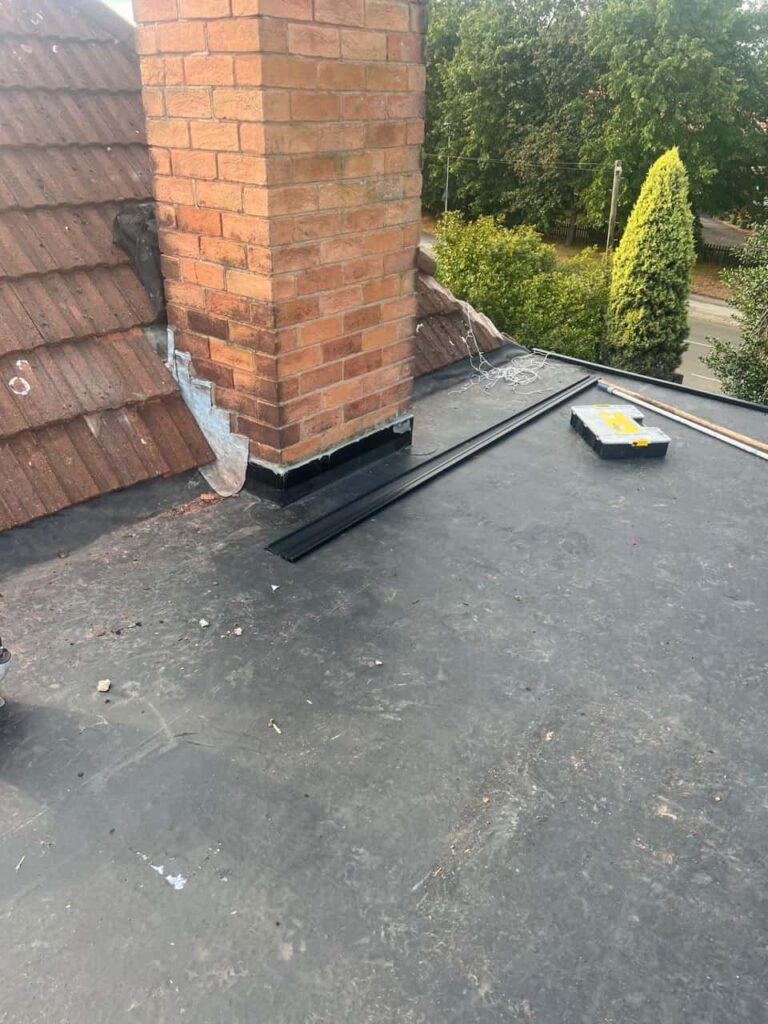
A roof requiring occasional attention is not necessarily a cause for concern. Roofing materials are continually exposed to wind, rain, temperature changes and general weathering, so an isolated repair from time to time can simply be part of maintaining a property. However, when problems begin returning every few years, it is sensible to consider whether each issue is genuinely separate or whether they point towards a wider pattern of deterioration.
For homeowners in Horndean, Hampshire, the frequency of repairs is only part of the picture. Where the problems occur, why they develop and the condition of the surrounding roofing materials are equally important when deciding whether continued individual repairs remain appropriate.
What Repeated Roof Repairs Can Tell You About the Condition of Your Roof
A roof that has required several repairs over a number of years deserves to be considered as a whole rather than viewing every defect in isolation. This does not automatically mean that the roof is failing or needs replacing. Individual components can deteriorate at different times while the majority of the roof remains serviceable.
The important questions are whether the defects are connected and whether they are becoming more frequent.
Some points worth considering include:
- Are repairs repeatedly needed in the same section?
- Are similar problems appearing in different areas?
- Do tiles regularly become loose, cracked or displaced?
- Have leaks returned following previous repairs?
- Are several roofing components beginning to deteriorate?
- Is each new problem appearing sooner than the previous one?
Looking at this history can reveal more about the roof’s overall performance than any single repair.
Occasional Roof Repairs Can Be Perfectly Normal
Roof coverings contain numerous individual components, and not all of them will necessarily deteriorate at exactly the same rate.
One damaged tile does not mean neighbouring tiles are about to fail. Likewise, an isolated flashing defect can sometimes be repaired without indicating a problem elsewhere on the roof.
Where defects are infrequent, unrelated and confined to small areas, individual repairs can remain a sensible way of maintaining the roof.
The key is to establish that each problem really is isolated. A professional assessment can confirm whether the surrounding materials remain secure rather than assuming that a visible defect represents the full extent of the issue.
When Does the Frequency of Repairs Become Significant?
There is no fixed number of repairs that automatically indicates a serious roofing problem.
Instead, homeowners should pay attention to changes in frequency and pattern. If a roof previously needed very little attention but has started developing new problems every few years, this may indicate that several components are reaching a similar stage of deterioration.
A roof can remain generally functional while becoming increasingly vulnerable in individual areas. Over time, the interval between problems may shorten as different components begin to weaken.
Recognising this change can be useful because it allows the overall roof condition to be assessed before repeated defects become the normal pattern.
Repeated Problems in the Same Area Need Investigation
When the same section of a roof repeatedly develops problems, simply repairing the visible symptom each time may not be enough.
A recurring leak, for example, could indicate that the original source of water ingress has not been identified. Water can travel beneath roofing materials before appearing internally, making the obvious location of a damp patch an unreliable guide to the actual defect.
Similarly, tiles that repeatedly slip from the same section may indicate weakened fixings, deterioration of supporting materials or movement affecting neighbouring components.
In these circumstances, identifying the underlying cause becomes more important than carrying out another identical repair.
Problems Appearing Across Different Areas Can Be Equally Important
A different pattern occurs when each repair is successful but another unrelated section develops a problem a few years later.
This can happen as roofing materials age. Although each individual defect may be relatively minor, the gradual appearance of faults across several areas can indicate broader deterioration.
The distinction matters because a roof with one isolated weakness is different from a roof where numerous components are beginning to reach the end of their reliable serviceability at similar times.
A whole-roof inspection can help establish whether the defects remain independent or whether the roof’s general condition is contributing to their frequency.
Consider the Type of Repair, Not Just How Often It Happens
Repair frequency alone does not provide enough information.
Several small, unrelated tile repairs over a long period are very different from repeated leaks or deterioration affecting important junctions and larger sections of the roof.
The nature of each defect should therefore be considered alongside how often attention has been required.
If repairs are becoming more involved, affecting larger areas or repeatedly associated with water ingress, the pattern deserves closer investigation. If they remain minor and isolated while the surrounding roof is sound, continued targeted maintenance may still be entirely appropriate.
Previous Repairs Can Provide Useful Clues
The repair history of a roof can help identify recurring weaknesses.
Knowing which sections have previously received attention allows a roofer to compare earlier problems with the current defect. If several repairs have concentrated around one particular area, there may be an underlying reason for that pattern.
Previous work should also be considered in relation to the surrounding roof. A repaired section may remain perfectly sound while older neighbouring materials subsequently deteriorate.
Looking at the history as a whole provides context and helps avoid treating every new defect as though nothing has happened before.
The Age of the Roof Should Not Decide the Answer on Its Own
Age is relevant when assessing repeated roofing problems, but it should not be used in isolation.
Some older roofs continue to perform effectively with occasional maintenance, while other roofs may develop problems sooner because of their condition, previous workmanship or exposure to weather.
Physical evidence is more useful than age alone.
The condition of tiles or slates, fixings, flashing, underlay, battens and other relevant components should all contribute to the assessment. A roof should be judged by how well its materials are performing rather than simply how long they have been in place.
Why a Wider Roof Assessment Can Be Valuable
When repairs have become a recurring event, inspecting the wider roof can provide a clearer understanding of what is happening.
A whole-roof assessment does not mean extensive work will automatically be recommended. In fact, it may confirm that previous problems were unrelated and that the remainder of the roof continues to perform well.
Alternatively, an inspection may reveal early deterioration in other sections that helps explain why problems have become more frequent.
Either outcome provides useful information. It allows future decisions to be based on the actual condition of the roof rather than waiting for each new defect to become obvious.
When Continuing With Individual Repairs Still Makes Sense
There are many situations where continued repair remains appropriate.
If each problem has a clear cause, repairs have remained effective and the surrounding roof is in good condition, there may be no reason to consider a more extensive solution.
A sound repair strategy should preserve serviceable roofing materials rather than replacing them unnecessarily.
What matters is that the decision is supported by inspection. Continuing with local repairs because the wider roof has been assessed as sound is very different from repeatedly repairing isolated symptoms without ever examining why they keep appearing.
When the Pattern Deserves More Attention
Homeowners should become more attentive when the character of their roofing problems begins to change.
Leaks becoming more frequent, tiles repeatedly moving, several sections deteriorating at once or previously repaired areas developing new faults can all justify a more detailed assessment.
The objective is not to assume the worst. It is to understand whether the roof has moved from occasional maintenance into a pattern of ongoing deterioration.
Identifying that distinction at the right time can help ensure that future work addresses the underlying condition rather than simply responding to the latest visible defect.
Professional Roof Assessment in Horndean, Hampshire
For property owners in Horndean, Hampshire, a roof that requires attention every few years should be assessed according to its repair history and present condition.
At Horndean Roofing Repairs, we look beyond the immediate defect to establish whether it is an isolated problem or part of a wider pattern. Where a targeted repair remains the appropriate solution, the focus can stay on the affected area. If recurring problems indicate another underlying issue, identifying that cause allows the roof to be approached more effectively.
This provides homeowners with practical information about the condition of their roof without assuming that recurring attention automatically means extensive work is necessary.
Conclusion
Needing roof repairs every few years is not automatically a reason for concern. Occasional defects can occur while the majority of a roof remains in good condition.
What matters is the pattern behind those repairs. Repeated problems in the same location, defects appearing across several areas, increasingly frequent leaks or deterioration affecting multiple roofing components can indicate that a wider assessment is worthwhile.
If your roof in Horndean, Hampshire seems to need attention more regularly than it once did, contact Horndean Roofing Repairs. We can assess the current problem alongside the wider condition of the roof and advise on an appropriate solution based on what is actually happening.
Call us on: 023 8235 9799
Click here to find out more about Horndean Roofing Repairs
Click here to complete our contact form and see how we can help with your roofing needs.